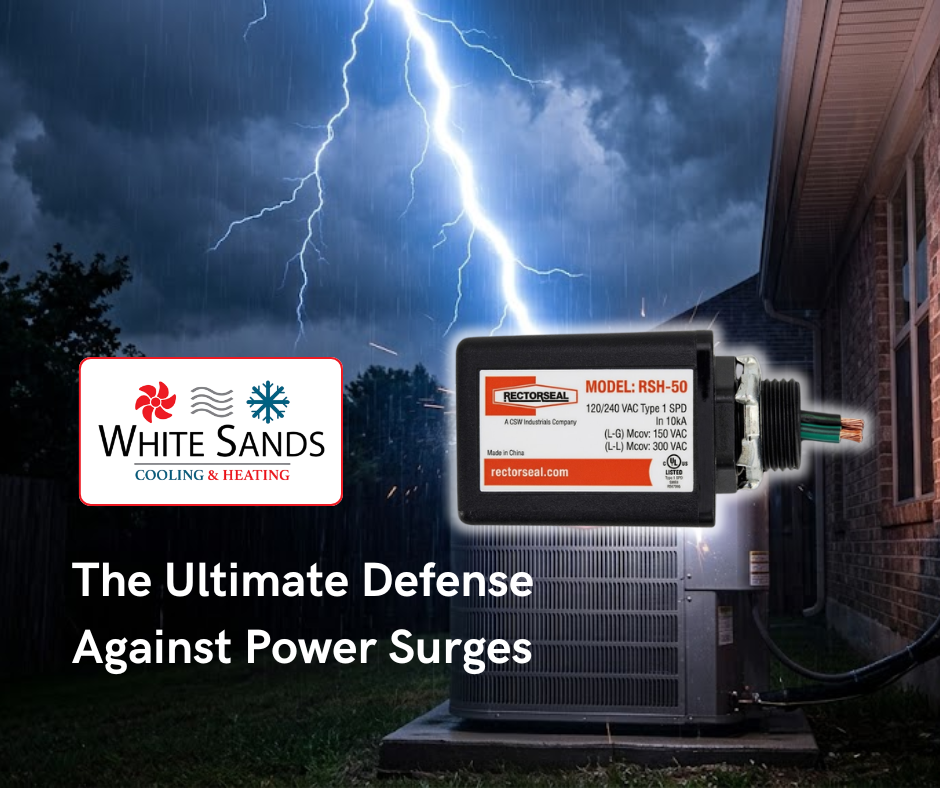
For decades, we’ve called Florida the “Lightning Capital of the World.” But if you’ve been watching the 2026 weather reports, you know we’ve actually been dethroned. Oklahoma officially took the #1 spot for lightning density this year, bumping the Sunshine State down to a “respectable” #2.
But don’t let the silver medal fool you. While Oklahoma might have more flashes per square mile, Florida still leads the nation in lightning-related insurance claims and equipment failure. In the Panhandle, where the salt air and high humidity make electricity even more “jumpy,” your air conditioner is a prime target for power surges.
When people think of power surges, they imagine a massive bolt of lightning hitting a transformer. While that certainly happens, the “silent killers” are the micro-surges.
Whether you’re in Escambia County or Santa Rosa County, our lightning-heavy afternoons are the same.
Every time the power flickers during a 3:00 PM Pensacola thunderstorm, or even when the grid shifts load, a spike of high-voltage electricity rushes through your home’s wiring. These small surges happen dozens of times a week. Think of it like “high blood pressure” for your AC—it wears down the sensitive electronic components over time until the unit simply won’t kick on.
In 2026, air conditioners are essentially high-performance computers that live outside. To hit those SEER2 ratings in Pensacola we talk so much about, manufacturers use Inverter Compressors and Variable Speed Motors.
These parts are incredibly efficient, but they are also incredibly fragile. If you wouldn’t plug your $2,000 laptop directly into a wall outlet without a surge strip, you shouldn’t let your $10,000 AC run unprotected.
When we talk about making your home “Beach-Ready,” we’re talking about hardening your system against the Florida elements.
A high-quality surge protector works by “shunting” excess voltage to the ground before it ever reaches the AC’s internal brain. It reacts in nanoseconds—faster than any breaker in your panel could ever move. While nothing can stop a direct, massive hit from 100 million volts, these devices handle 95% of the power spikes that actually cause system failures in our area.
Hurricane season starts June 1st, but our lightning season is already in full swing. If your system is currently unprotected, you are gambling with your comfort.
As part of our 50+ Point Health Report, we always check for surge protection. If you aren’t sure if your unit is protected, or if your old protector has “timed out” (most only last 3-5 years!), give us a call.
Protect your investment. Call White Sands Cooling and Heating at (850) 932-9800 to schedule your surge protection install today!

Warning: Our online payment system will accept payment for invoices for other companies. In fact, there is an electrical company in our area named "White Sands Electric." We are "White Sands Cooling & Heating" and are a completely separate, unrelated entity. By clicking the "Proceed to Payment" button below, you acknowledge that you are making a payment to "White Sands Cooling & Heating." Errors will result in a processing fee.